Anthroposcenery
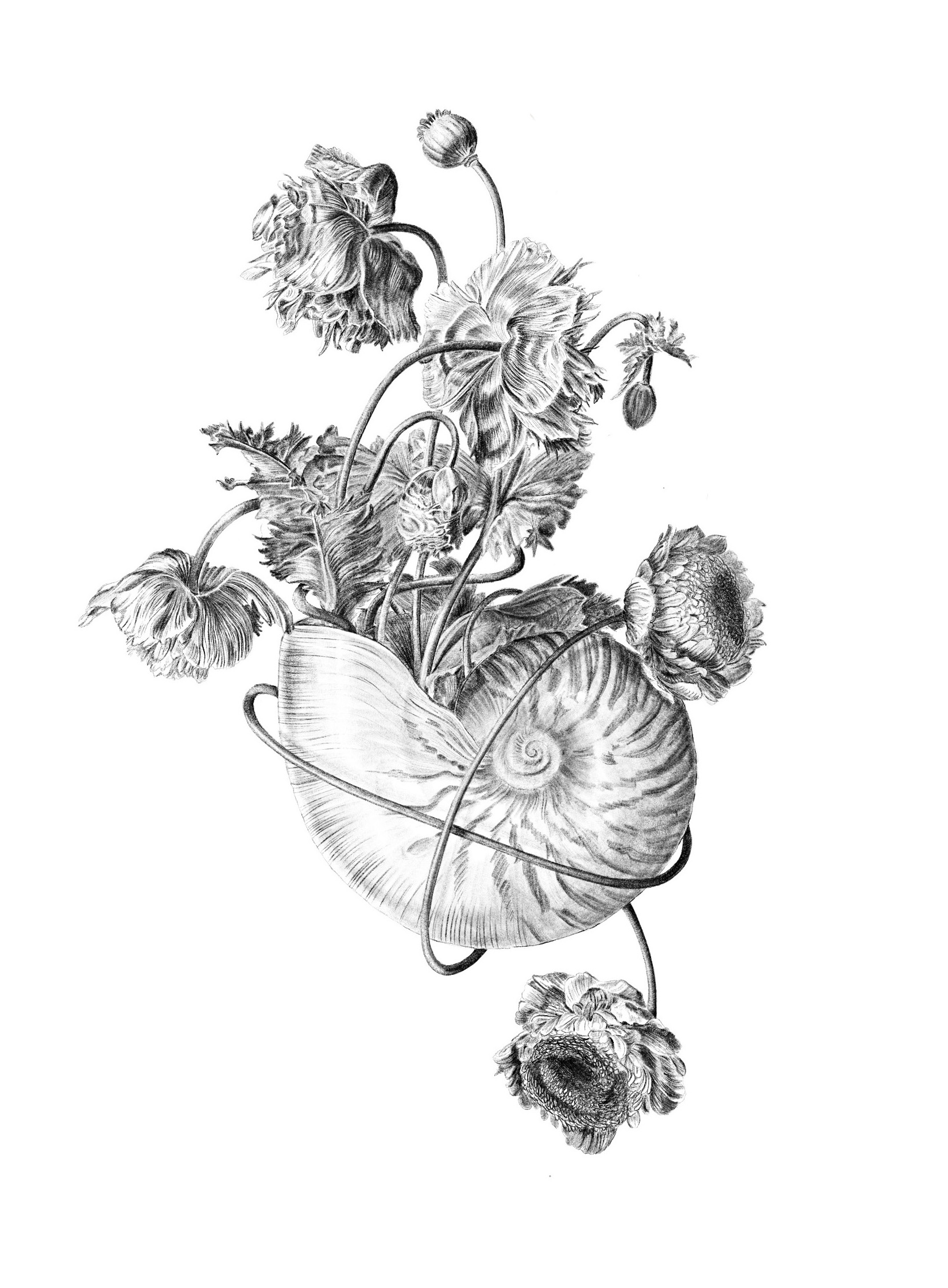
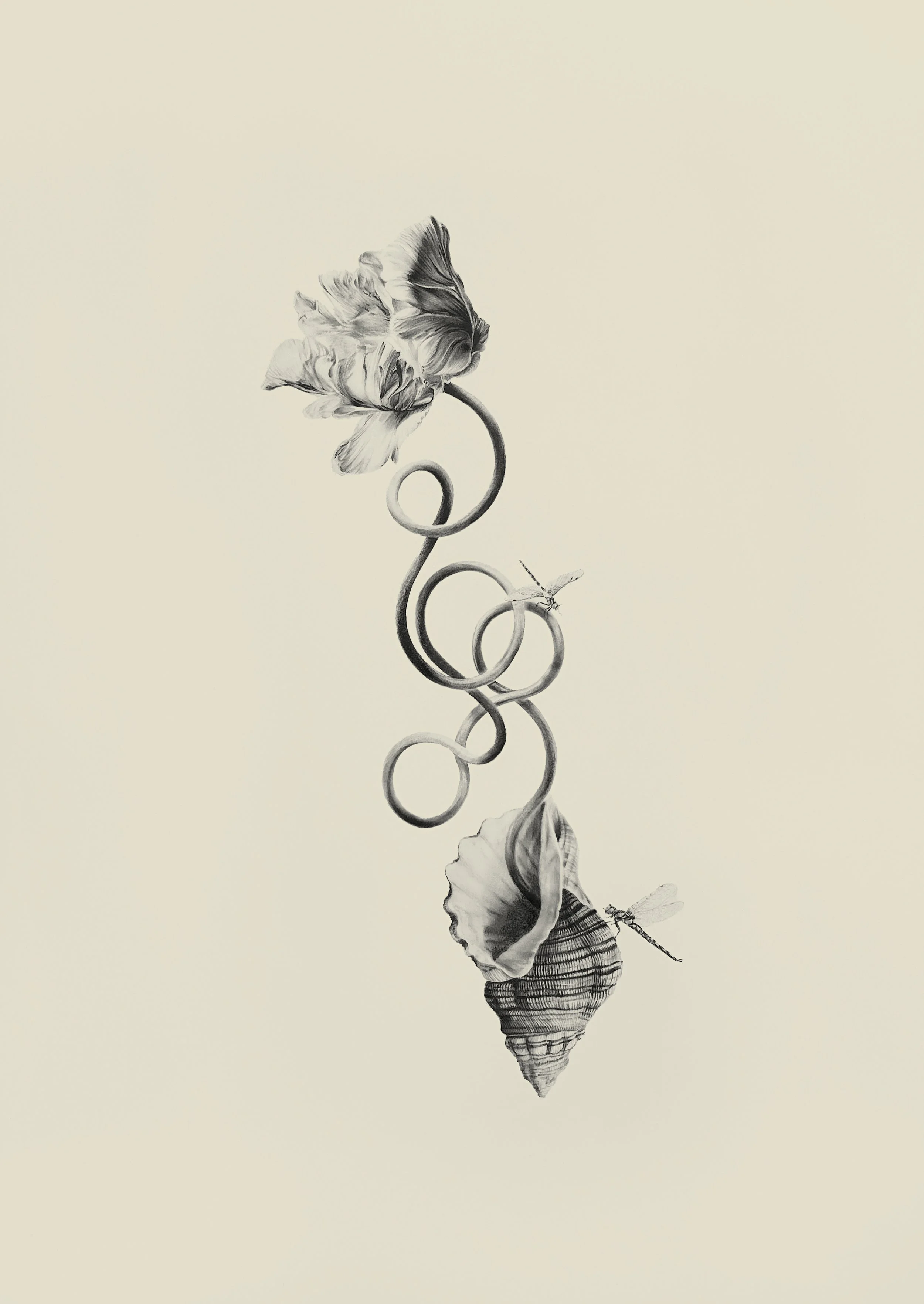
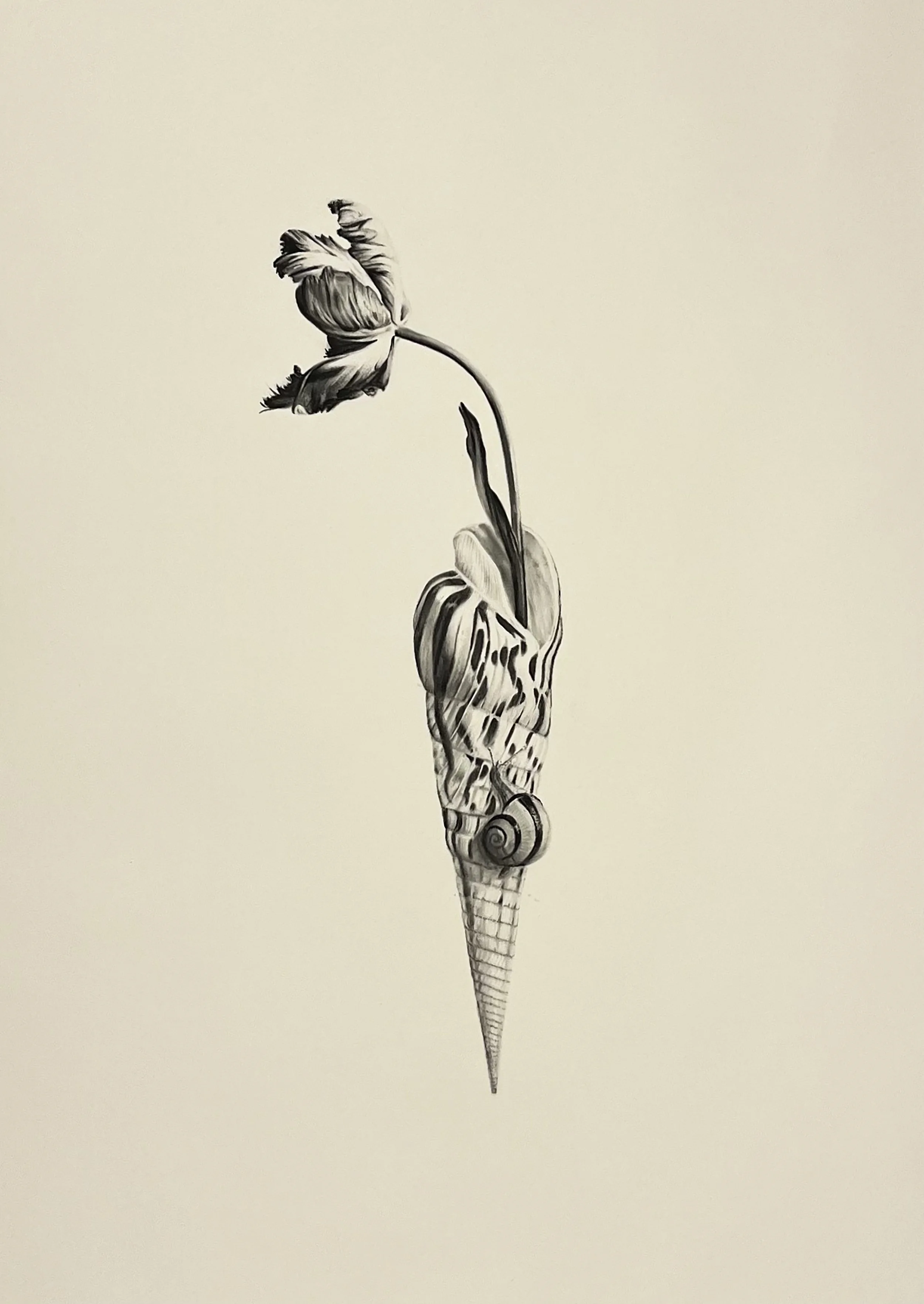
This collection explores the disconnect between human desire and the laws of nature. Drawing on the symbolic language of Dutch Golden Age still life paintings, the work examines how capitalism converts the natural world into commodity. By pairing this historic visual tradition with contemporary environmental concerns, the drawings prompt a reevaluation of our priorities and invite dialogue about the urgency of cultivating a more harmonious relationship with the natural world.
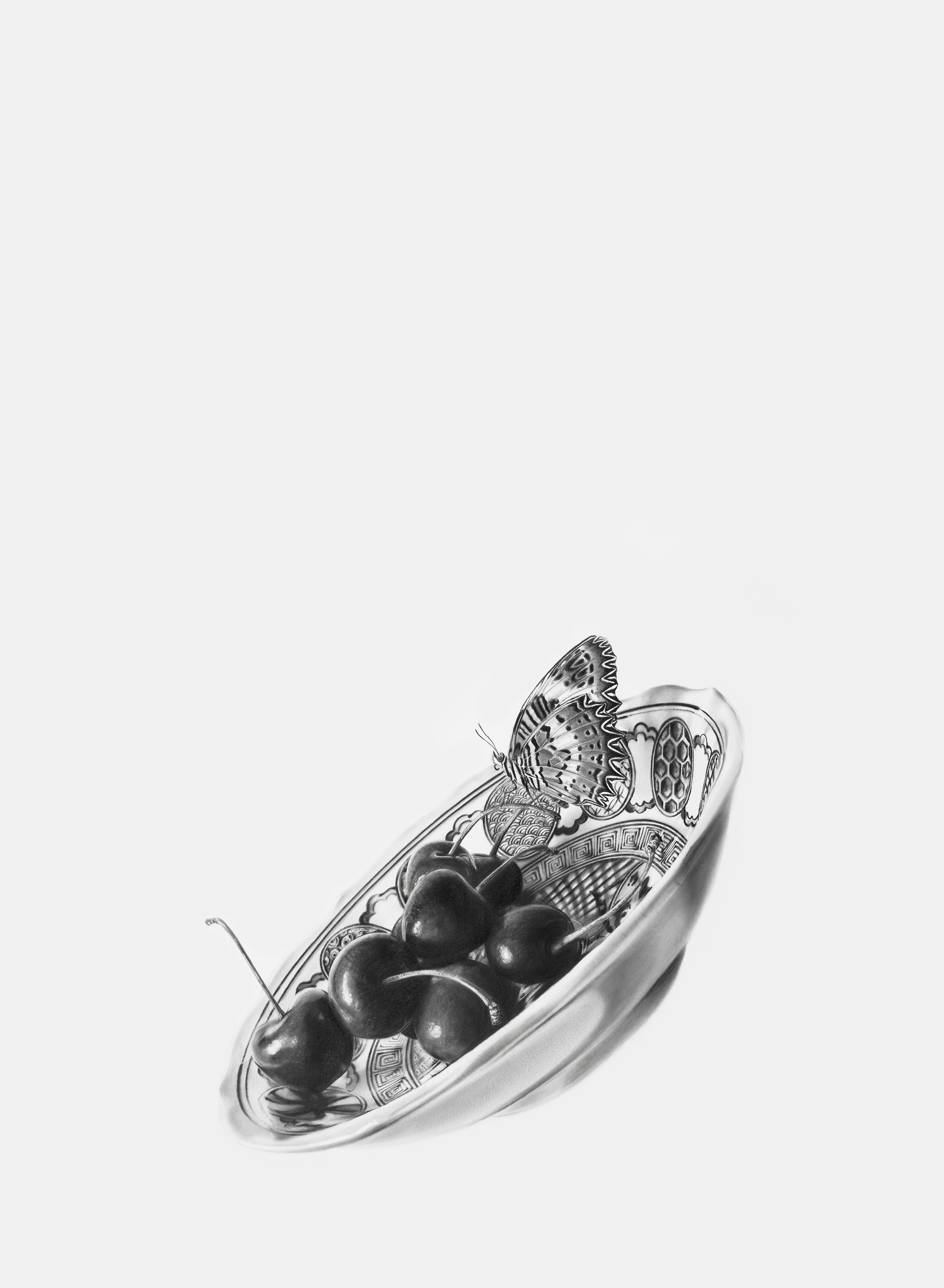
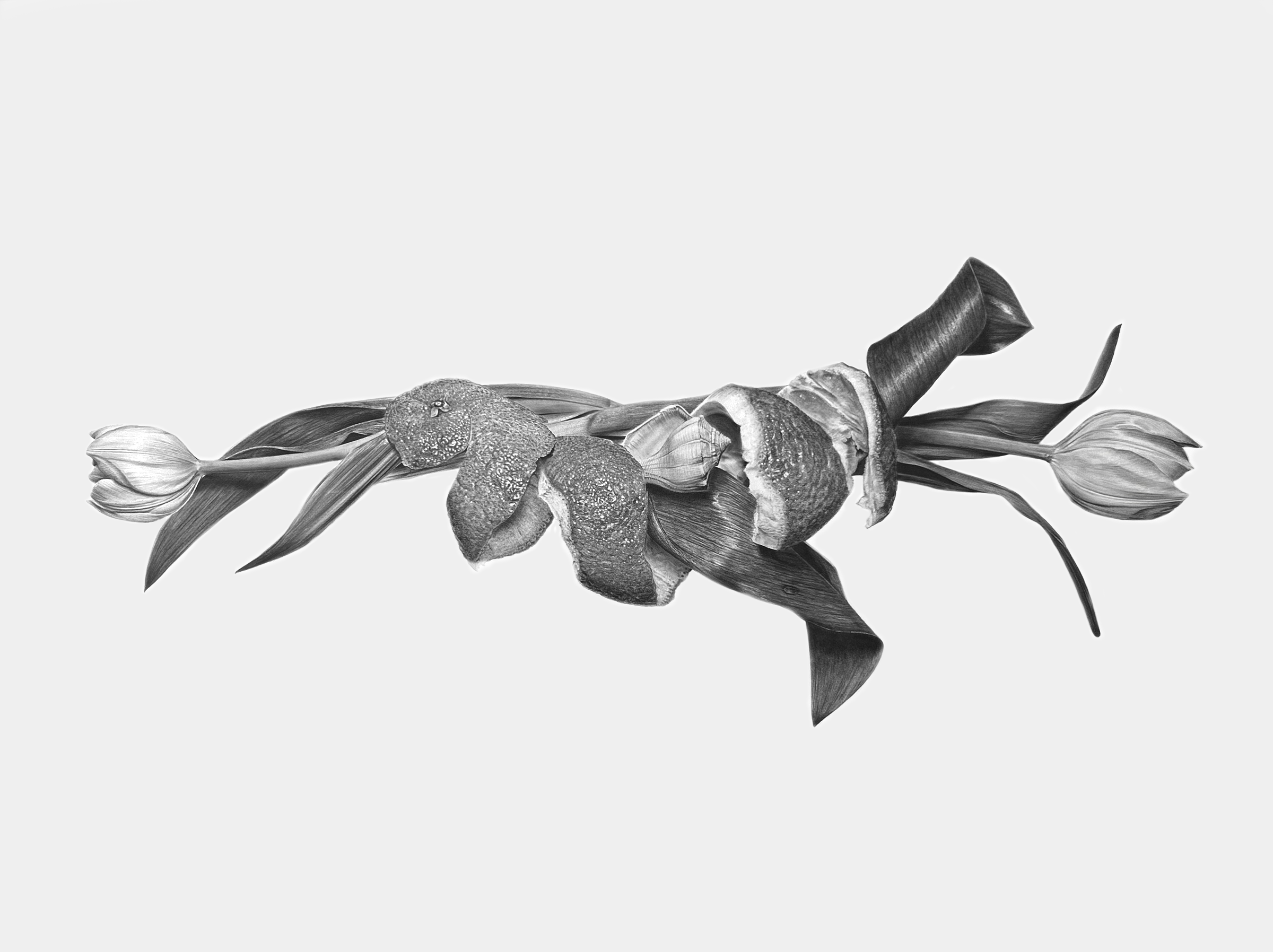
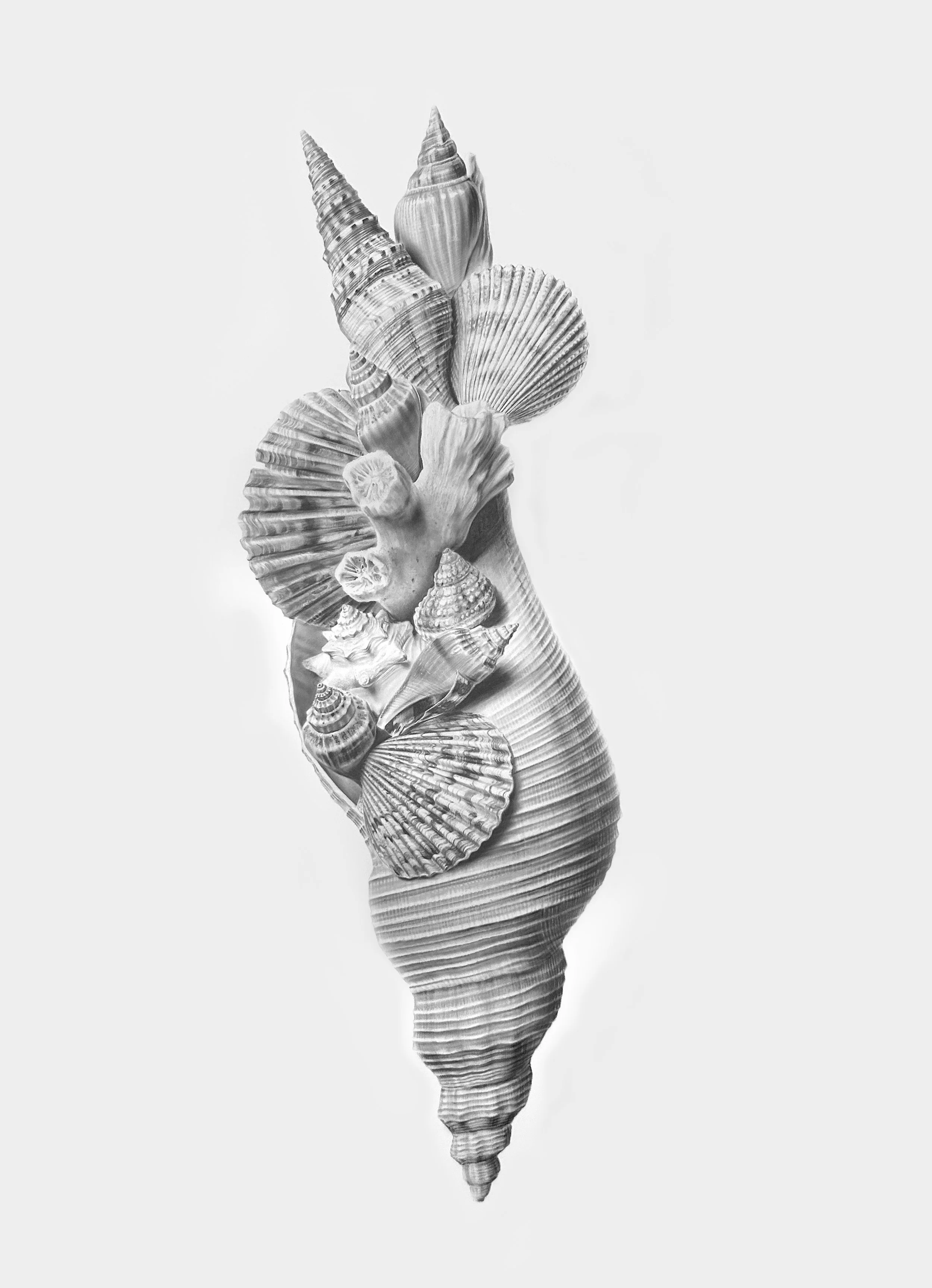
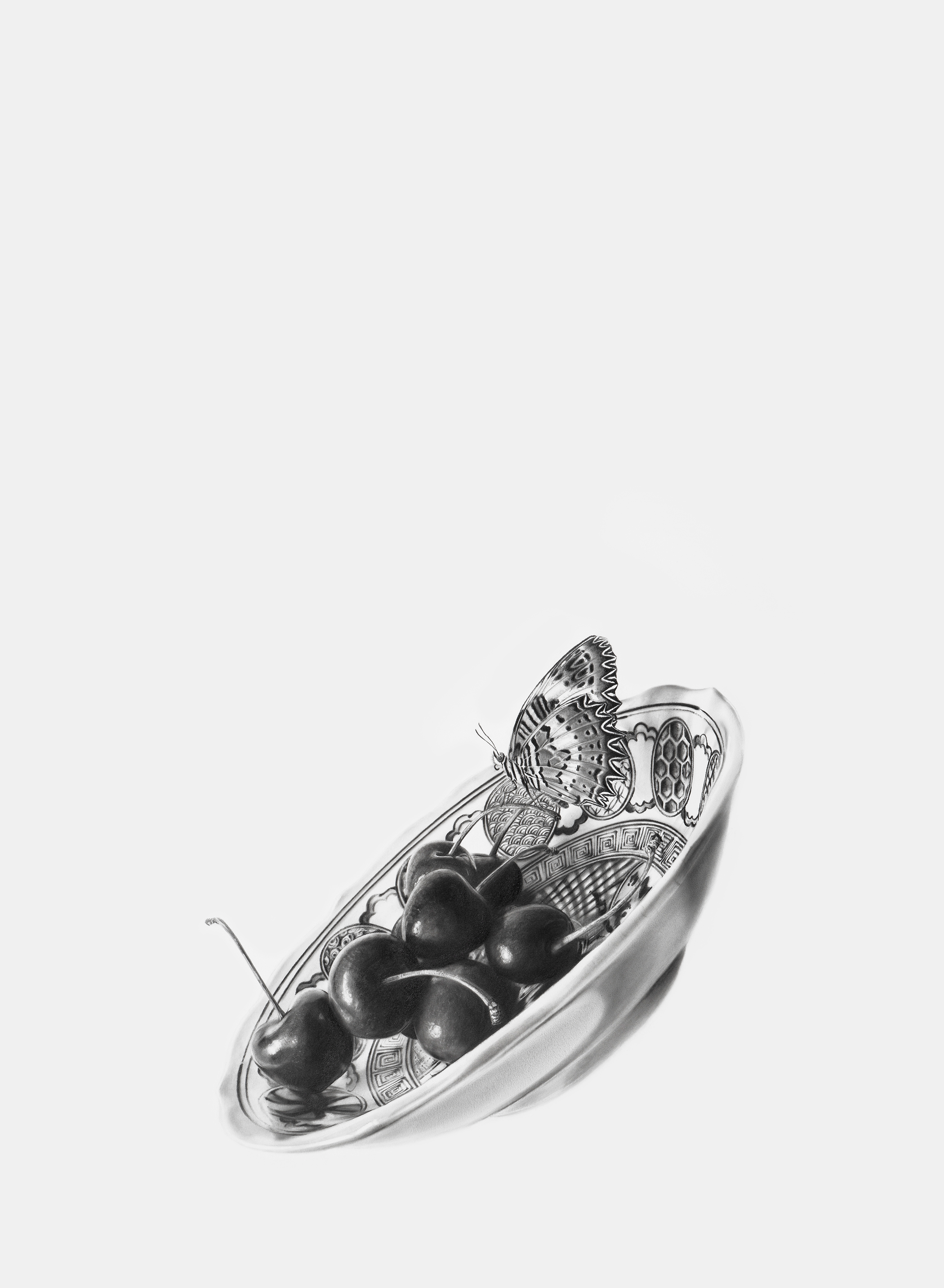
Override, Graphite on paper, 40” x 30”
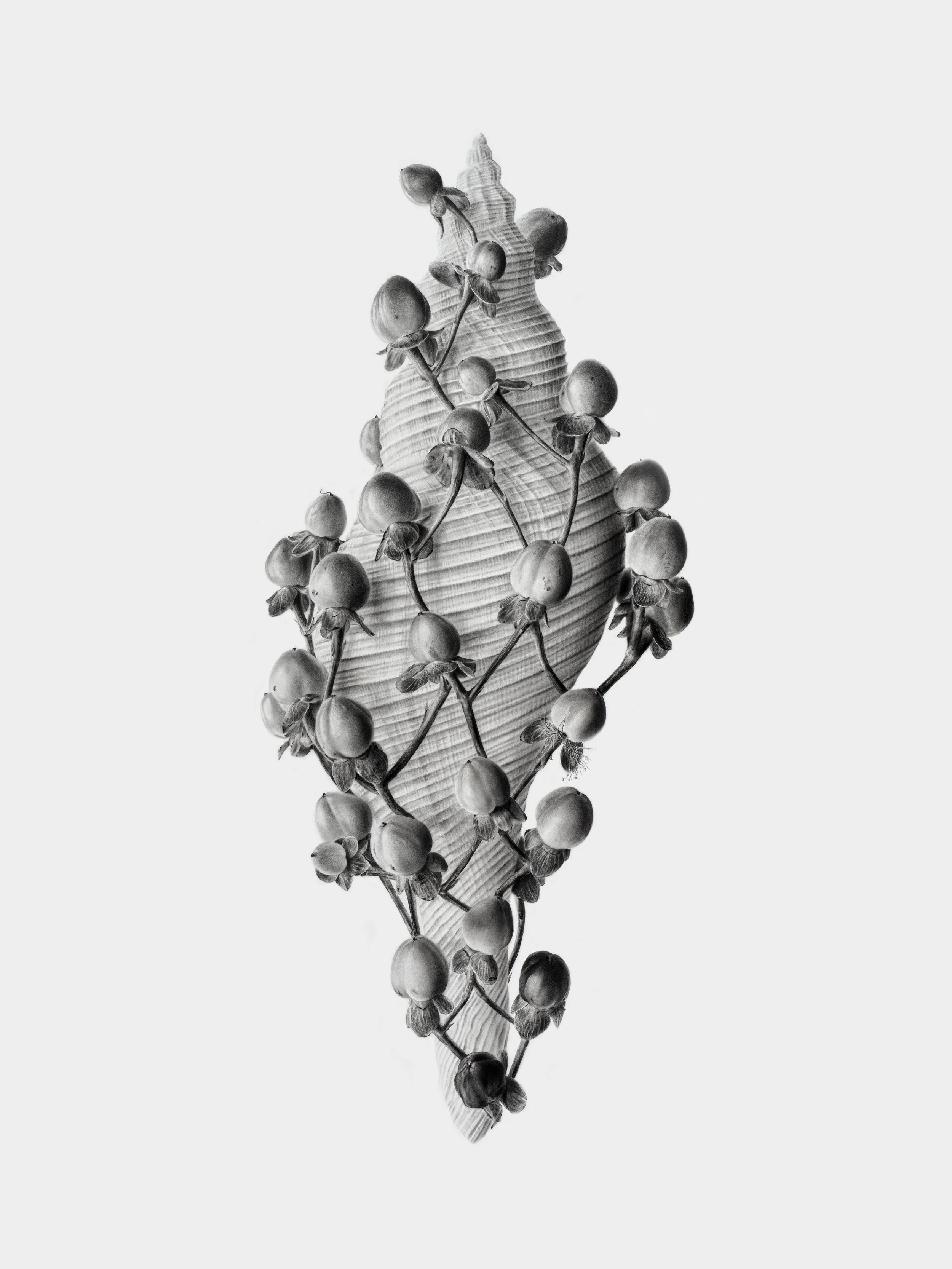
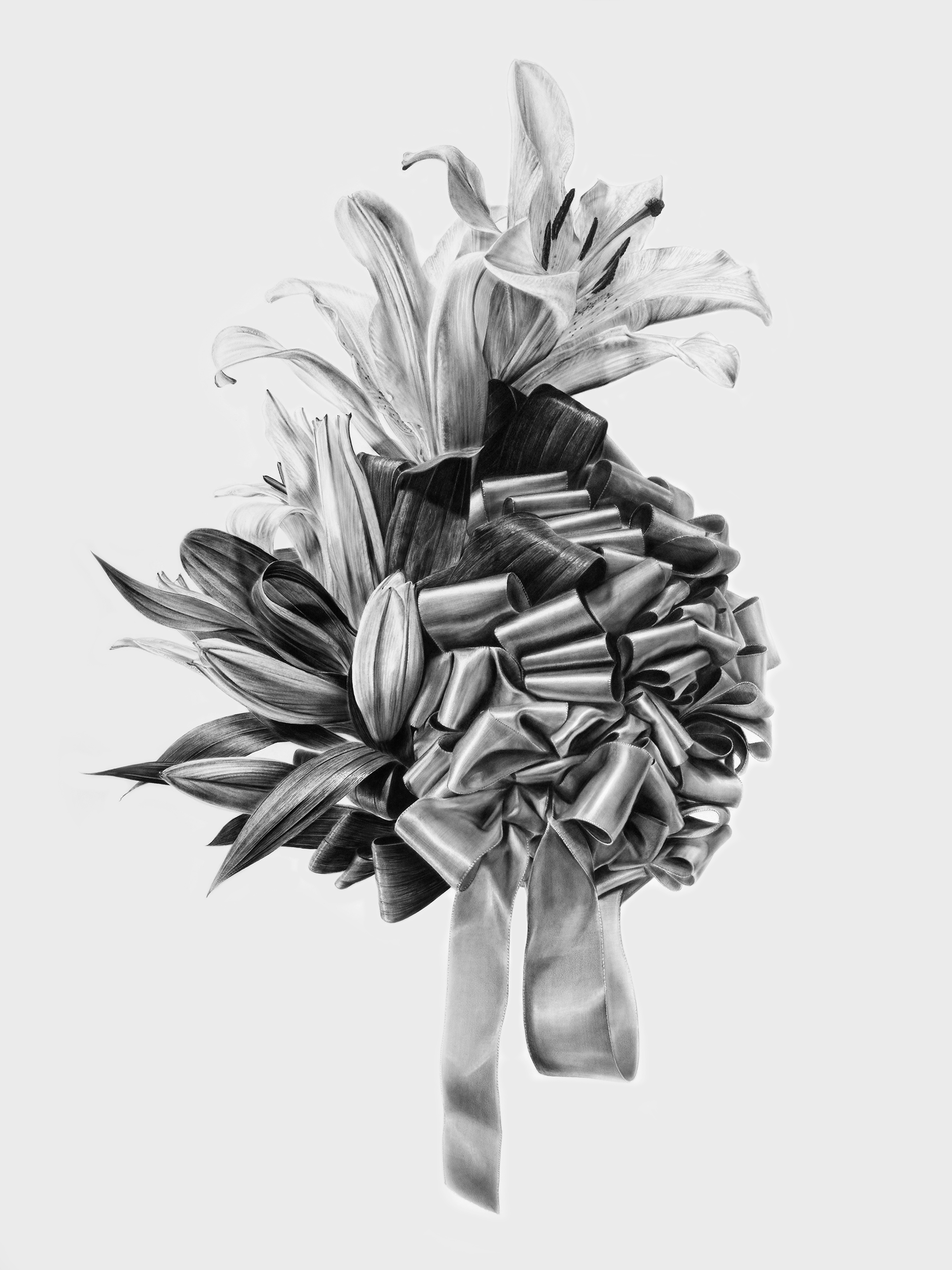
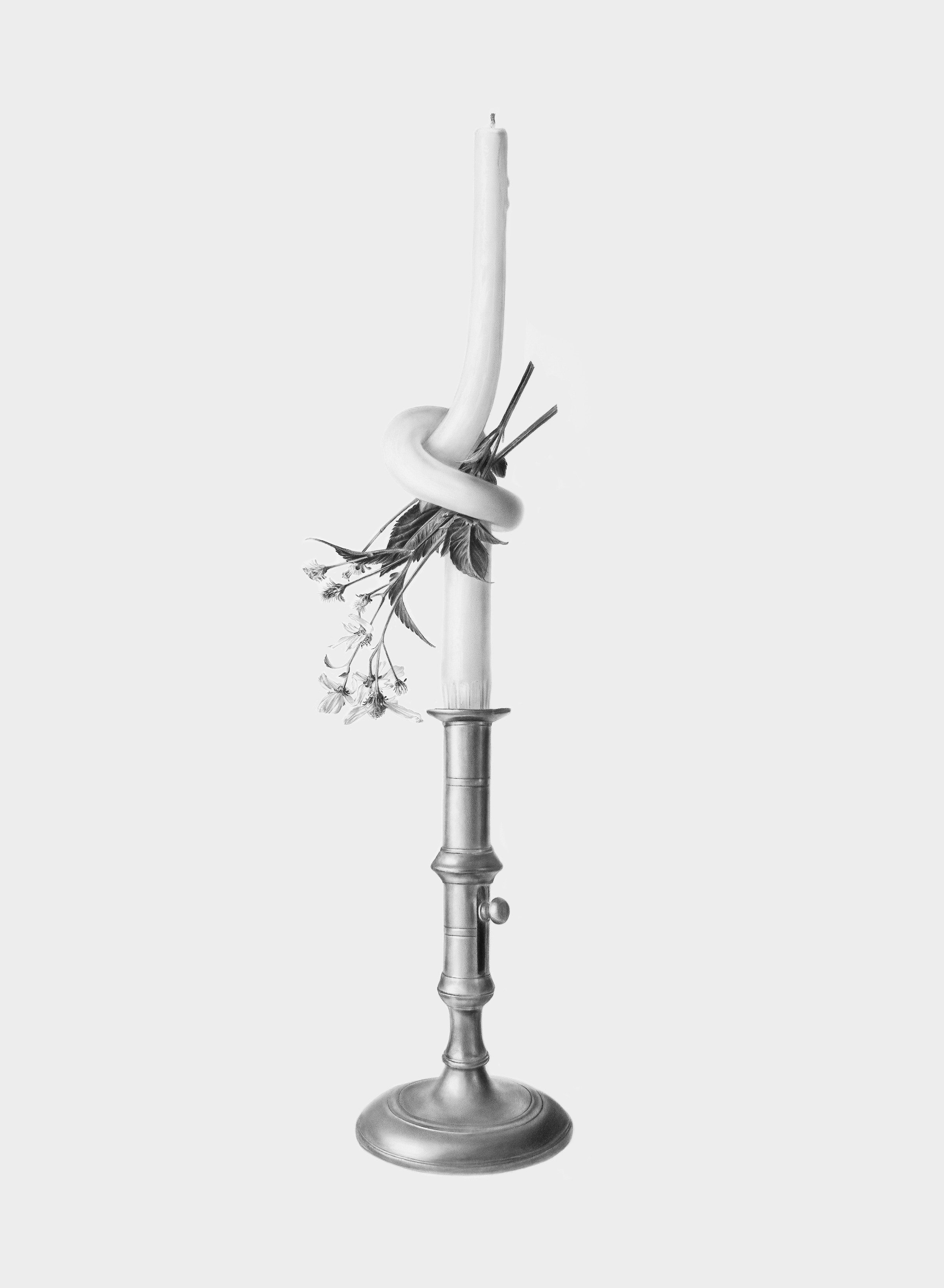
Catalyst
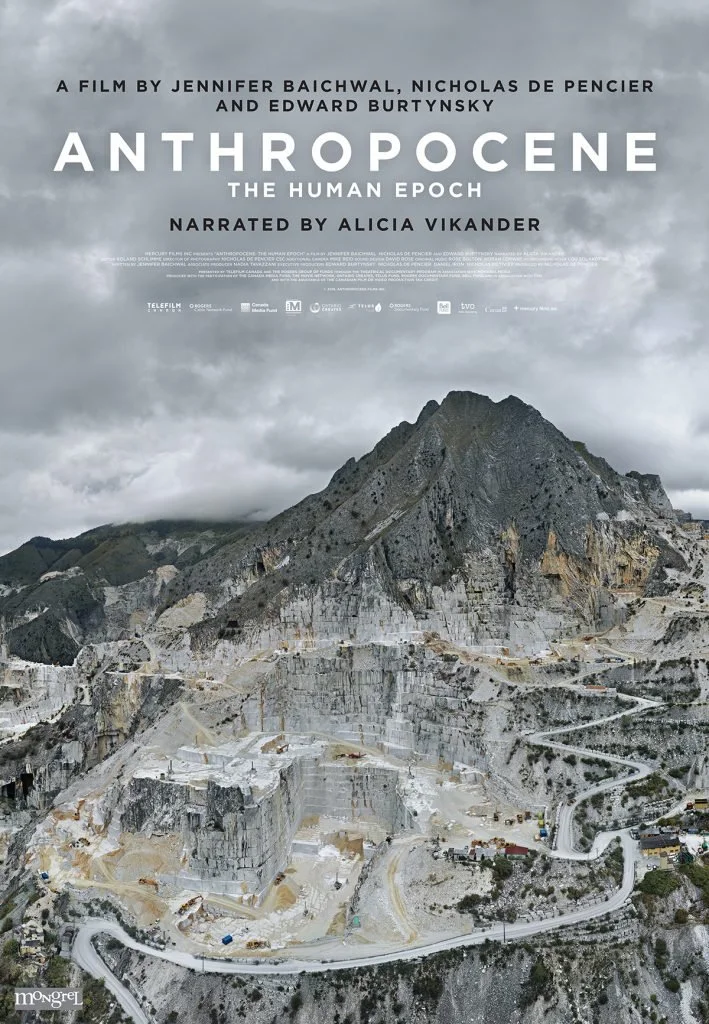
In 2020 I watched Anthropocene: The Human Epoch, a documentary following scientists across the globe documenting the scale of human impact on the planet. It was the beginning of a long thread of research that eventually became this work.
-
The Anthropocene is a proposed geological epoch marking the point at which human activity began to fundamentally alter the Earth's systems — its atmosphere, its biodiversity, its geology. The term was popularized by chemist Paul Crutzen in the early 2000s, and has been debated by scientists ever since. Whether it meets the technical threshold for a new entry in the geological record remains contested.
But that debate is not what interests me here.
What interests me is the Anthropocene as a paradigm and the question: what does it mean to live in an era where human systems have become the dominant force shaping the planet — and when do the consequences of that become impossible to ignore? Framing it this way moves the conversation into the territory where it actually matters: a political, cultural, and historical time.
If the Anthropocene names the era, capitalism names the engine. The period in which human systems became the dominant force on the planet coincides almost exactly with the global spread of consumer capitalism and the demand for endless profit, extracted from a planet with finite resources. This endless expansion of want demands that nature exists as resource rather than partner — and yet human forces and natural forces have become so deeply intertwined that the fate of one now determines the fate of the other. The logic of extraction, it turns out, was never just an ecological problem. It was always also a human one.
Dutch Influence
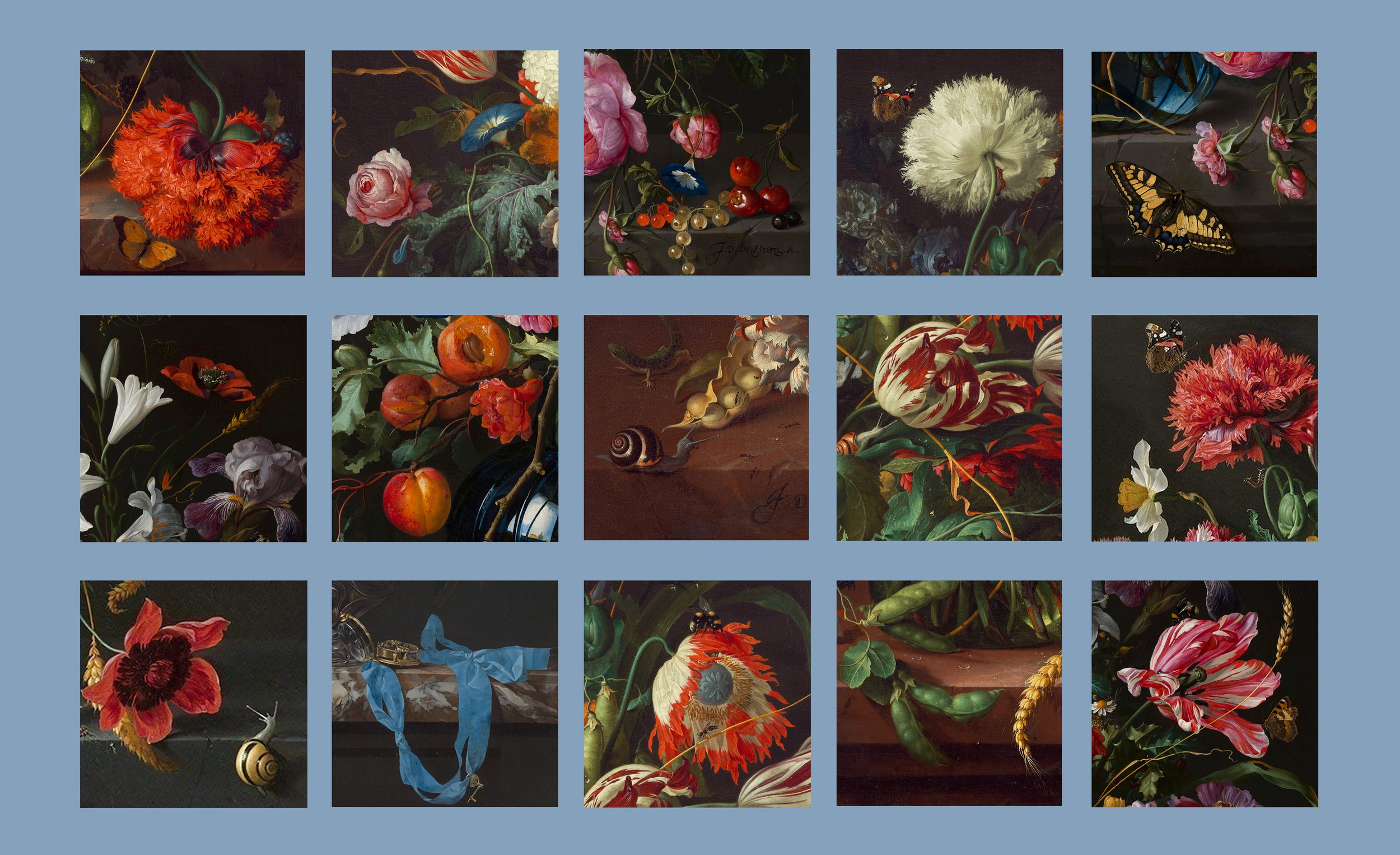
The Origins of Capitalism and the Dutch Still Life
Researching capitalism through the lens of the Anthropocene led me somewhere I didn't expect: Dutch still life paintings.
The Dutch Republic is widely considered the birthplace of modern capitalism. During its Golden Age — roughly 1588 to 1672 — Dutch trade, science, and art flourished. It was a society that revered the merchant over the aristocrat, that took genuine pride in the prosperity its labor had produced. And it was one of the first societies to grapple with what that prosperity meant.
That tension found its way directly into painting. The Dutch still life emerged as a dominant art form of the period, and it was no coincidence. These were paintings made by and for a merchant class flush with new wealth, surrounded by objects that announced their status: extraordinary shells, exotic flowers, imported dishware. But Dutch Calvinist culture couldn't let abundance sit uncomplicated. Alongside the beauty, painters embedded symbols of mortality as a moral warning that attachment to worldly things was a distraction from what actually mattered. No amount of accumulated goods could follow you beyond this life.
What stopped me was the realization that this is still a relevant conversation. The objects have changed but the tension hasn't. We are still a consumer society proud of its productivity but in need of reminding of its true cost — no longer just a moral argument, but a measurable one.
That is why I chose this visual language. It was already holding the argument I needed to make.
Notable reference material:
-
This book examines the role of shells in early modern European art and trade. What struck me most was how shells — so present in Dutch still life painting — carried within them an entire history of global commerce, labor, and exploitation. This passage in particular shaped how I thought about the objects in my own drawings.
“For most Europeans interested in shells at this time, shells were metaphorical (and sometimes literal) vessels to be filled with meanings about their own society. They show us people contemplating their own mortality, thinking about the nature of relationships with foreign lands and people, ruminating on the nature of life. Even paintings of shells that are stunningly true to life, we still think about the hand of the artist. Someone, perhaps just out of sight, placed the shells in the pattern portrayed; someone bought the shells; someone brought the shells from the Indies to Europe; someone labored, perhaps under duress, to polish the shells and bring them to an unnatural luster; someone, at the earliest stage, retrieved the shells from the sea or shore in a far-off region. Shells,then, speak particularly to a multiplicity of relationships between people and objects and people and people.”
-
Russell Shorto's history of New Amsterdam — the Dutch colony that became New York — was where the research came full circle. The values of the Dutch Republic: merchant capitalism, the primacy of trade, the logic of endless expansion, didn't stay in the Netherlands. They traveled to America, took root, and became the foundation of the modern world. And if a society's values can travel and transform, they can also be examined — and rebuilt.
Composition
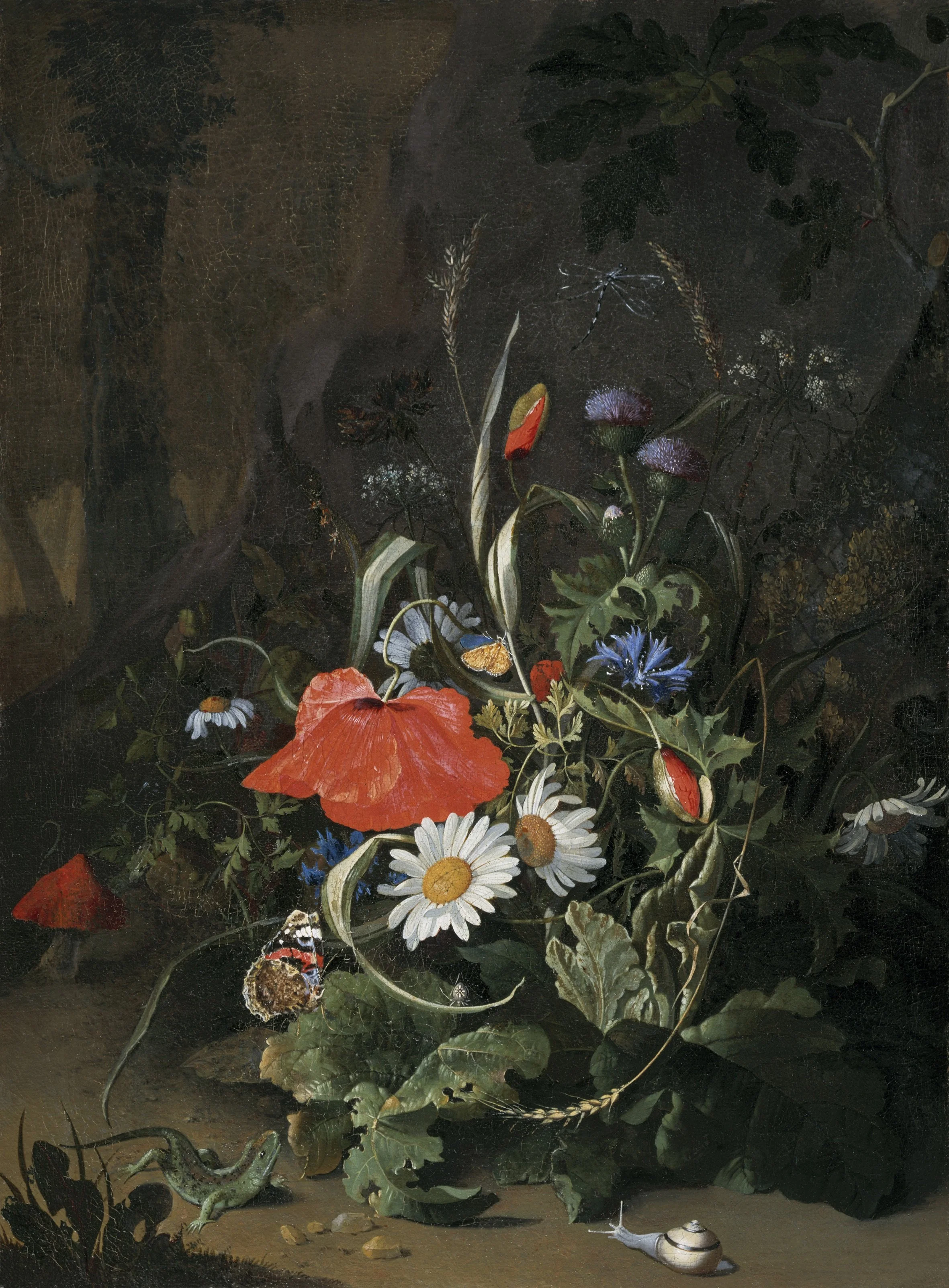
As I moved deeper into the symbolic language of Dutch still life painting, I came across a paper arguing that the inclusion of insects in these works wasn't purely decorative or religious — that painters like Rachel Ruysch and Maria van Oosterwijck were using every element in the composition to construct microcosms: self-contained worlds that expressed the artist's own ideals and perspective.
By removing any background or environment and surrounding each composition with negative space, my drawings become their own worlds — suspended, context-free, asking the viewer to read only the relationships and tension between the elements.
Article: Microcosms: An Examination of Insects in 17thCentury Dutch Still Lifes by Olivia Carlson
Graphite As a Medium
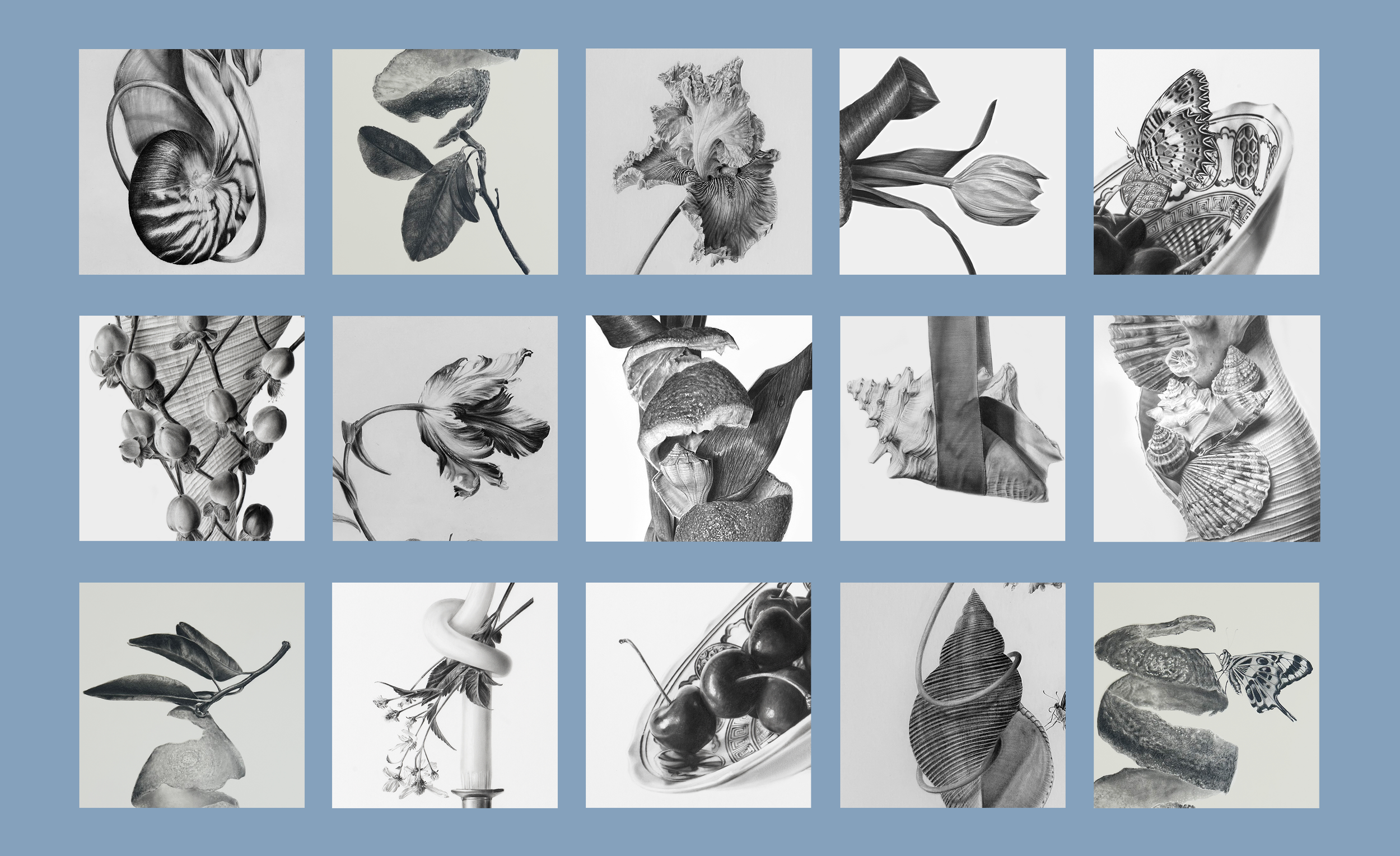
For the past three years, I’ve been working exclusively in graphite. Paired with paper, it forms a timeless medium that speaks to the very essence of our earthly existence; it feels very “In The Dust Of This Planet.” My use of graphite in art is not just a choice of material; it’s a nod to our connection with the natural world and an exploration of the delicate balance between creation and impermanence.
-
I like that I get to use a material that is pretty close to its most natural state. Graphite is derived from carbon, the very element that constitutes life itself. Mined from deep within the earth, it retains a tactile quality that is a reminder of the raw beauty of its origins. When applied to paper, graphite creates a subtle interplay between light and shadow, capturing the essence of the subject with a nuanced delicacy.
Graphite also serves as a reminder of the ephemeral nature of existence. This connection to ephemerality is deeply intertwined with the concept of memento mori—a Latin phrase meaning “remember that you will die.” It’s a medium that can confront the inevitability of mortality, reminding us to cherish each moment and find beauty in the fleeting.
Graphite offers a return to the basics—a reminder that true beauty can be found in the most unassuming of materials. It is through the subtle nuances of shading and texture that I am able to breathe life into new creations, and that I hope draws viewers in to pause and reflect.
Environmental Research
Driven by curiosity and built on purpose, this is where bold thinking meets thoughtful execution. Let’s create something meaningful together.